Why doors have panels, rails, and stiles

Doors are a fundamental part of our daily environment, often taken for granted as they quietly perform their function. Their ubiquitous presence might overshadow the intricacies of their design, particularly that of panel doors, which are characterized by a combination of vertical stiles, horizontal rails, and inset panels. This configuration is so prevalent that it might seem like a purely aesthetic choice. However, the structure of panel doors is ingeniously designed to address a specific issue related to the material from which they are crafted.
Wood, the primary material for many doors, is inherently susceptible to environmental changes. As humidity levels fluctuate, wood expands and contracts, a natural process that can cause significant challenges in carpentry. This movement is particularly pronounced across the grain, where expansion and contraction can lead to warping or the failure of joints in wooden structures. A door constructed from a single, solid piece of wood would be especially vulnerable to these changes, risking the development of gaps or splits that compromise its functionality and appearance.
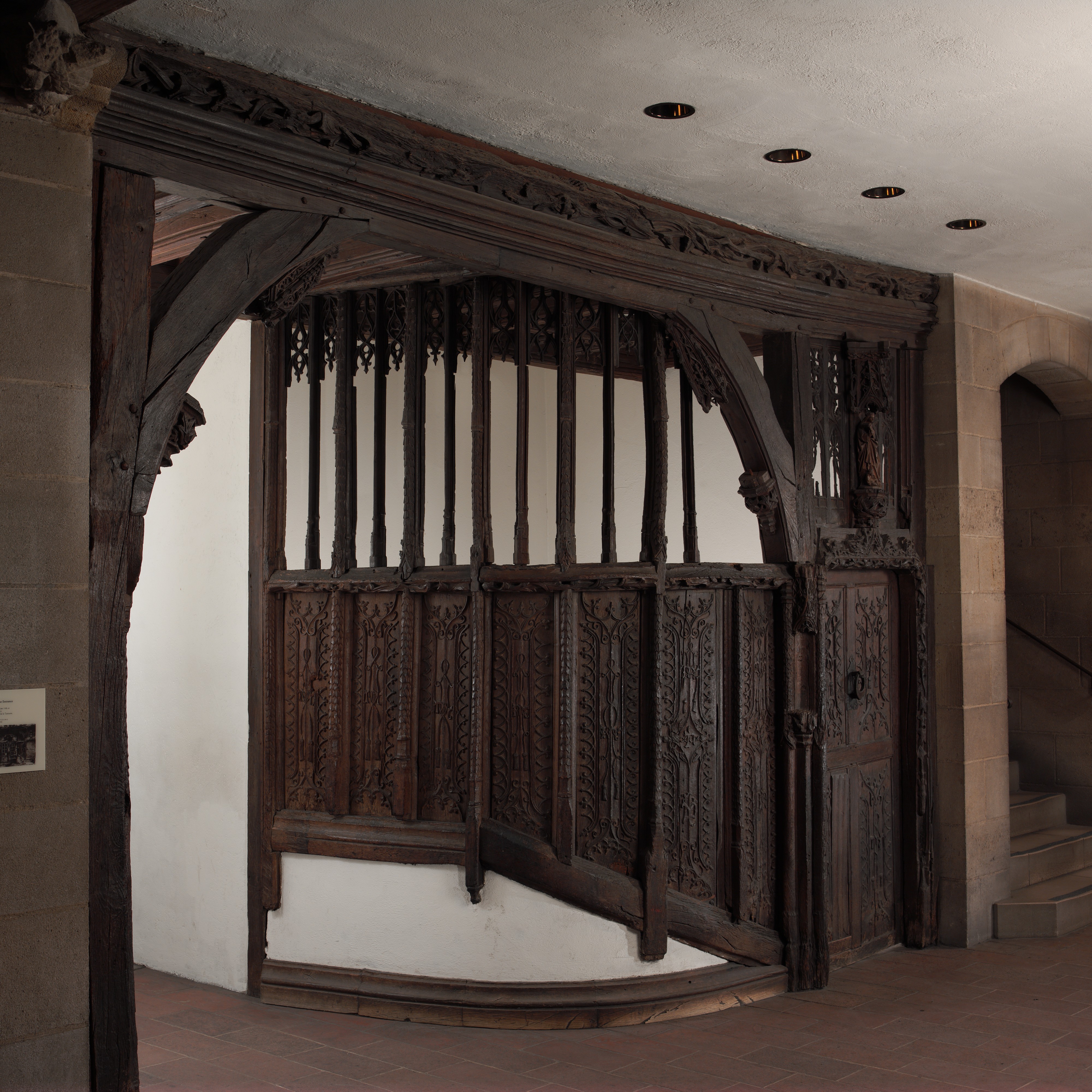
The panel door design resolves this issue by allowing the panels to “float” within a stable frame composed of stiles and rails. The stiles and rails form a rigid framework that maintains the door’s structural integrity, while the panels are set into grooves and remain unattached to the frame with adhesives. This clever engineering allows the panels to move independently in response to humidity changes, thus preserving the overall stability of the door. Each part of the door—the stiles, rails, and panels—serves a specific purpose that is both functional and aesthetic, providing a solution to the problem of wood’s dynamic nature.
Historically, the panel door design marked a significant advancement over simpler board doors, which consisted of a flat piece of wood that could easily buckle under environmental stress. The panel door’s construction not only adapts to seasonal changes but also enhances the door’s durability and longevity. A notable feature of many panel doors is the prominent center rail, often seen in six-panel designs. This rail reinforces the structure and conveniently aligns with the height where a latch or knob is typically installed, illustrating how functional elements are carefully integrated into the design.
Over time, the practical aspects of panel doors have evolved into a visual grammar that blends necessity with style. The arrangement of panels and the addition of moulded edges have become as much about artistic expression as they are about structural integrity. What began as a technical solution to a material challenge has transformed into an aesthetic standard in architecture. Today, panel doors are cherished not only for their resilience and adaptability but also for the timeless elegance they contribute to interiors.
In essence, the design of panel doors reflects a deep understanding of materials and an ability to harmonize functionality with beauty. The next time you encounter a panel door, take a moment to consider the thoughtful design that underlies its construction. This design not only addresses the natural behavior of wood but also meets the practical needs of everyday use, showcasing the thoughtful interplay between form and function. Through this lens, the panel door emerges as more than just a common household feature; it is a testament to the ingenuity and artistry of its creators, blending utility and elegance in a way that has endured through centuries.