The Staircase as Status Symbol, Machine, and Stage
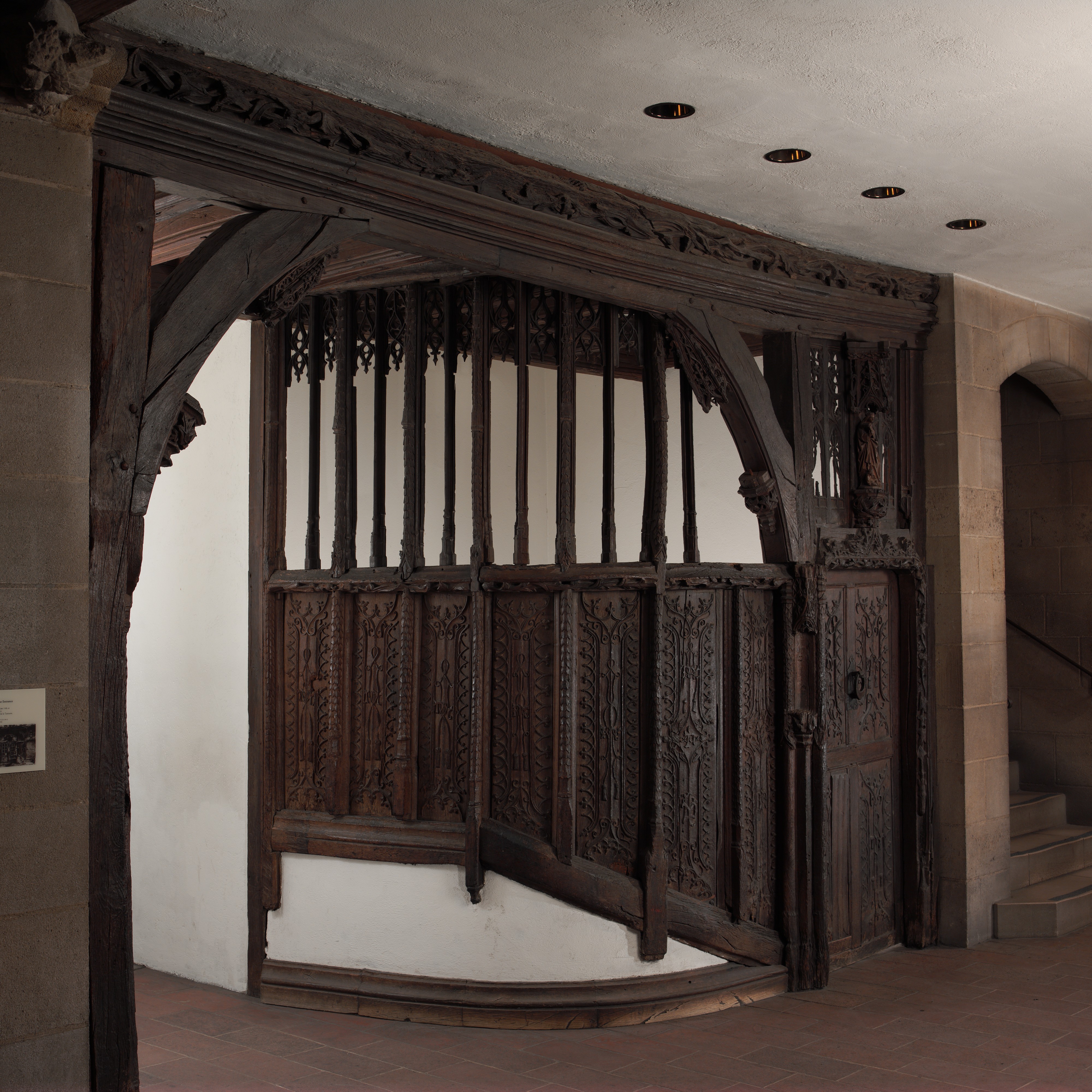
Staircases are one of those architectural features that blend seamlessly into our daily lives. We use them without much thought, seeing them simply as pathways that connect different levels of a building. However, if we take a moment to consider their design and placement, we uncover a world of intention and symbolism hidden in their steps. Staircases are not just functional; they are deliberate architectural statements that manage visibility, guide movement, and reflect social structures.
One of the most illustrative examples of a staircase serving a purpose beyond mere utility is found at the Würzburg Residence in Germany. Here, the staircase transforms into a ceremonial stage, a deliberate passage designed to impress and convey power. As visitors ascend, they are enveloped by opulent frescoes created by the artist Giovanni Battista Tiepolo. These artworks are positioned to be seen from various vantage points along the staircase, creating a dynamic narrative that unfolds as one climbs. This isn’t just a trip upstairs; it’s a carefully planned journey that mirrors the societal hierarchies of the time, as visitors symbolically rise towards the prince-bishop’s quarters, reinforcing the status and authority embedded in the architecture.
In cultural institutions, staircases often serve a dual role. They facilitate movement, but they also guide the visitor’s experience and interaction with the space. The grand staircase of the New York Public Library acts as an elegant introduction to the intellectual sanctuary that lies within. Its bifurcated design not only welcomes visitors with grandeur but also channels them towards the reading rooms in a way that seems less about navigation and more about a ceremonial entry into a world of knowledge.
Similarly, the Grand Staircase at the Metropolitan Museum of Art does more than just connect floors. It shapes the visitor’s journey through the museum, serving as a prominent architectural feature that demands attention. As visitors ascend, they are not merely moving from one exhibit to another; they are participating in a ritual of viewing that turns the act of looking into a public display. The staircase becomes a stage where visitors are both audience and performer, engaging with art and architecture in a dance of cultural consumption.
The history of staircases also tells stories of lost grandeur and architectural significance. Take, for instance, the staircase from the Chicago Stock Exchange building. After the building was demolished, this staircase was preserved by the Metropolitan Museum of Art. It stands today not just as a functional relic but as a symbol of the economic power and architectural majesty that once defined the stock exchange. In this sense, the staircase is a monument to a bygone era, encapsulating the status and aspirations of the time.
In contemporary settings, staircases continue to evolve, sometimes becoming stages for performance art. At the Museum of Modern Art (MoMA) in New York, the artist Maria Hassabi used the staircases as part of her performance piece ‘PLASTIC’. The performers moved slowly along the steps, altering the flow and pace of the museum’s visitors. This intervention transformed the staircase from a mere pathway into a participatory stage, compelling people to reconsider their interactions with space and each other.
What becomes evident through these examples is that staircases are far from mundane. They are integral to the architecture of any building, influencing how people move and perceive space, often without conscious awareness. These structures are imbued with layers of intention, from reinforcing social hierarchies to shaping cultural experiences. By examining staircases through this lens, we reveal a deeper understanding of how architecture influences human interaction.
Next time you find yourself on a grand staircase, whether in a museum, a library, or even a historical residence, consider what it might be saying about the space it inhabits. Far from just a means to an end, it may serve as a guide through both physical and social landscapes, a stage for the unfolding drama of human interaction. In doing so, staircases invite us to reflect on the unseen roles they play in our built environment, offering a new perspective on the familiar paths we traverse.